Smearing Wiper Blades Leaving Streaks: Causes and Solutions
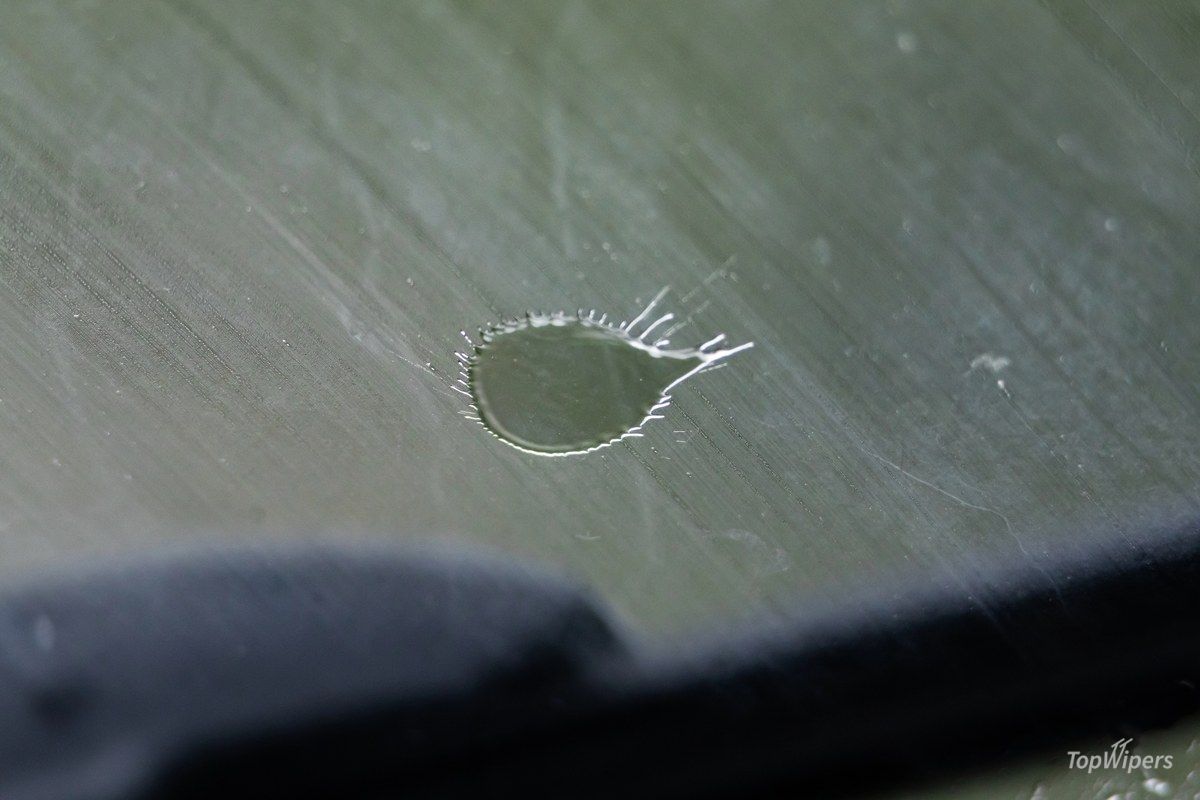
Streaks are more insidious than squeaking: a noise is annoying, but a hazy film against the light genuinely dazzles. And “smearing” wipers are by no means always worn out – often it comes down to what they are pushing across the glass. The rule is simple: clean the glass and the wiper lip first, then judge the wipers.
Why streaks appear
Greasy film on the glass
The main suspect. Sources: wax from self-service car washes, exhaust fumes in traffic jams, fumes given off by interior plastics (on the inside!), polishes, silicone from a water-repellent coating applied over an old one. The wiper does not remove this film – it spreads it into an even, hazy veil that lights up against the light.
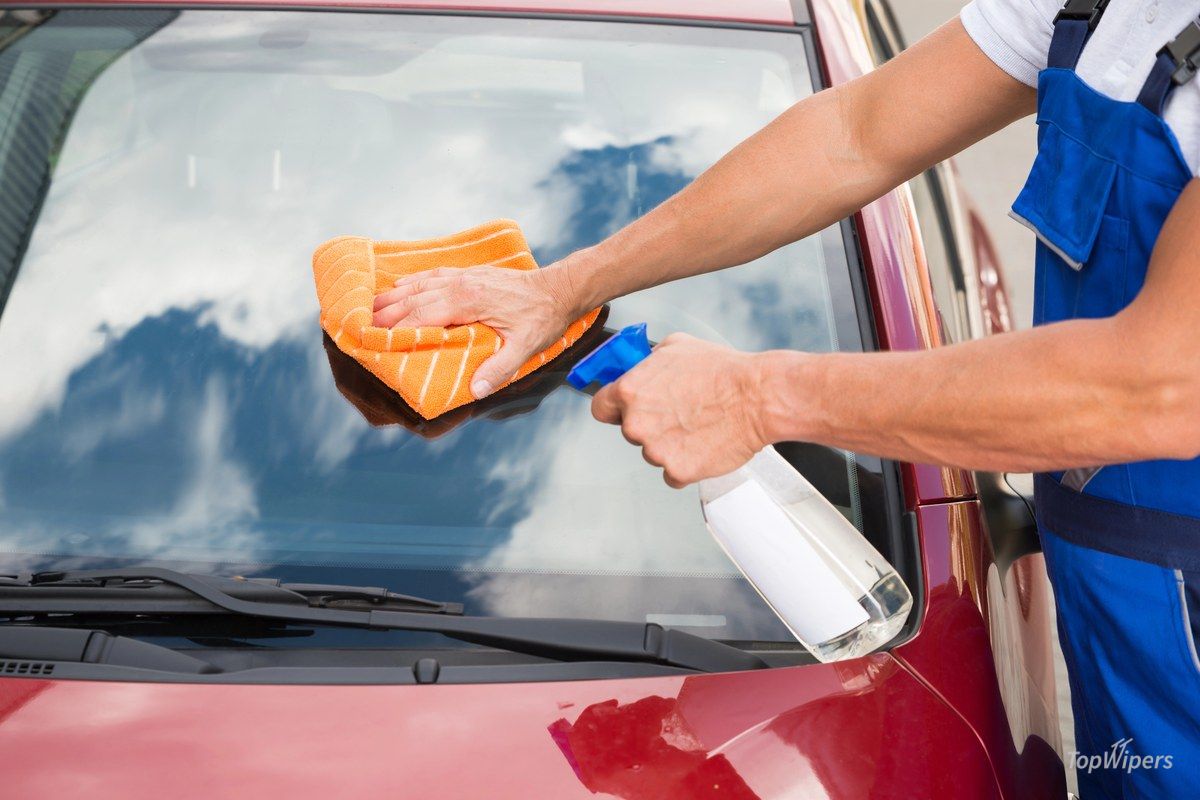
Solution: Wash the outside thoroughly with glass cleaner and degrease it if the film is stubborn (isopropanol or a specialist cleaner). Don't forget the inside: the film inside the car intensifies the dazzle from oncoming headlights.
Dirty or damaged wiper lip
The lip picks up everything that was on the glass. Deposits act like a dirty brush – the wiper draws the streaks itself. If a grain of sand or a splinter is lodged in the lip, a thin line appears, always in the same place.
Solution: Wipe the lip lengthwise with a damp cloth. A permanent thin line in the same spot means damage – only replacement helps here.
Wear and deformation of the rubber
Over time the edge rounds off and no longer picks up the water cleanly – a fine veil remains across the entire wiped area. A second variant: after standing for a long time (especially in the heat) the profile “remembers” one direction and smears on the return stroke – streaks in only one direction of travel.
Solution: Replacement. A slight one-sided deformation of new wipers sometimes settles after a day of use; an old one does not.
Unsuitable washer fluid
Cheap concentrates leave a surfactant film themselves, plain water wets poorly and in summer dries straight into streaks. Mixing different products in the reservoir can cause flocculation.
Solution: A proven seasonal washer fluid; when switching, flush the reservoir and lines.
Diagnosis in one evening
- Wash and degrease the glass on the outside, wipe over the inside.
- Clean both wiper lips.
- Fill up with decent washer fluid.
- Wet test: if the streaks remain, the age of the wipers decides. Older than a year – replace them, see the five-minute guide.
A fixed line in the same spot, a veil across the whole area or a “herringbone” pattern are three sure signs that cleaning is no longer enough.
How to keep the streaks away for longer
Wash the glass at every fuel stop (brush plus squeegee), clean the wiper lips once a month, never let the wipers run over dry glass and park in the shade in summer. And replace the wipers before the rainy season, not after the first “blind” drives. Incidentally, squeaking and streaking often come together – we have a dedicated overview of that.
FAQ
Does a water repellent help against streaks?
A good coating improves water run-off at speed, but applied to dirty glass or over an old layer it becomes a cause itself. Apply it only to degreased glass.
Why do new wipers smear straight away?
Almost always because of the film on the glass or a transport protector that was not removed from the lip. New wipers themselves rarely smear.
Streaks in only one direction of travel – is that wear?
More often a deformation of the profile after a long period standing, or a wrong arm angle, than real wear. If it persists after a day or two, check the angle and replace the blades.
What must you not clean the wiper lip with?
Petrol, solvents and abrasive cleaners – they destroy the rubber. A damp cloth, soapy water, at most isopropanol applied with a light hand.
Cleaning achieved nothing? Then the lip has had its day – find the right wipers for your model.